Plaid Mix Seamless Patterns: A Comprehensive Guide to Avoiding Common Pitfalls
Plaid Mix Seamless Patterns are a versatile design resource that has gained popularity among designers, creators, and small business owners. These patterns offer a seamless tiling experience, making them ideal for use in digital projects, print materials, and even home décor. However, like any design tool, they come with their own set of considerations and potential missteps. Understanding how to choose, apply, and evaluate these patterns can significantly impact the quality and efficiency of your work.
What Are Plaid Mix Seamless Patterns?
Plaid Mix Seamless Patterns are high-resolution image files designed to repeat seamlessly without visible seams or gaps. They are typically created with a consistent tileable structure, allowing users to apply them across large surfaces without needing to manually stitch or edit each section. These patterns are often used in graphic design, branding, web development, and interior design projects.
The key feature of these patterns is their ability to scale and repeat effortlessly, which makes them particularly useful for creating backgrounds, textures, and visual elements that require uniformity and consistency. When used correctly, they can enhance the aesthetic appeal of a project while saving time and effort in the design process.
Common Mistakes When Using Plaid Mix Seamless Patterns
While Plaid Mix Seamless Patterns offer many benefits, there are several common mistakes that users may make when working with them. Being aware of these pitfalls can help you avoid unnecessary complications and ensure better results.
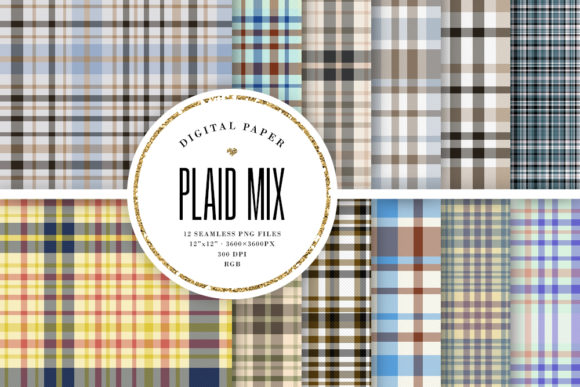
- Choosing the Wrong Resolution: One of the most frequent errors is selecting a pattern with insufficient resolution. Plaid Mix Seamless Patterns are available in 3600×3600 pixel dimensions at 300 DPI, which is ideal for print. Using a lower resolution file can lead to blurry or pixelated output, especially when printed at larger sizes.
- Ignoring Color Mode: Another mistake is not verifying the color mode of the pattern. Plaid Mix Seamless Patterns should be in RGB format for digital use and CMYK for print. Mixing color modes can result in unexpected color shifts and poor print quality.
- Misunderstanding Print Dimensions: Some users overlook the print dimensions specified for these patterns, such as 12″x12″. Not accounting for this can lead to scaling issues when preparing files for professional printing services.
- Failing to Check File Format: Ensuring that the file is in PNG format is crucial, as it supports transparency and maintains high-quality visuals. Using other formats like JPEG can introduce compression artifacts and reduce the overall quality of the design.
How These Mistakes Affect Your Work
Each of these mistakes can have a direct impact on the final outcome of your project. For instance, using a low-resolution file can result in a loss of detail and clarity, especially when viewed up close or printed at larger sizes. Similarly, incorrect color modes can cause colors to appear differently than intended, leading to dissatisfaction with the final product.
Ignoring print dimensions can also lead to wasted time and resources. If you're preparing a design for a client or a commercial print, miscalculating the size can result in an unprofessional appearance or even rejection of the project. By paying attention to these details, you can ensure that your work meets both technical and aesthetic standards.
Practical Advice to Avoid These Mistakes
To make the most of Plaid Mix Seamless Patterns, consider the following tips:
- Always Verify Specifications: Before downloading or using a Plaid Mix Seamless Pattern, double-check the pixel dimensions, color mode, and resolution. These specifications are critical for ensuring compatibility with your project’s requirements.
- Use Appropriate Software: Make sure you’re using design software that supports high-resolution PNG files. Programs like Adobe Photoshop, Illustrator, or even free tools like GIMP can help you work efficiently with these patterns.
- Test on Different Surfaces: Experiment with applying the pattern on various surfaces or backgrounds to see how it looks in different contexts. This can help you identify any potential issues before finalizing your design.
- Keep Backups: Always save multiple copies of your work, especially when working with high-resolution files. This ensures that you can recover your progress in case of any unexpected issues.
What to Check Before Making a Decision
Before deciding to use Plaid Mix Seamless Patterns, there are several factors you should consider:
- Project Requirements: Determine whether your project requires a specific resolution, color mode, or file format. Ensure that the chosen pattern aligns with these needs.
- Intended Use: Consider whether the pattern will be used for digital or print purposes. This will influence your choice of resolution, color mode, and file format.
- Quality and Consistency: Review the pattern for any inconsistencies, such as visible seams or uneven texture. A high-quality pattern should look seamless and uniform when tiled.
- Support and Licensing: Check if the pattern comes with proper licensing rights and support. This ensures that you can use it legally and confidently in your projects.
By carefully evaluating these aspects, you can make an informed decision and avoid potential pitfalls associated with using Plaid Mix Seamless Patterns.